
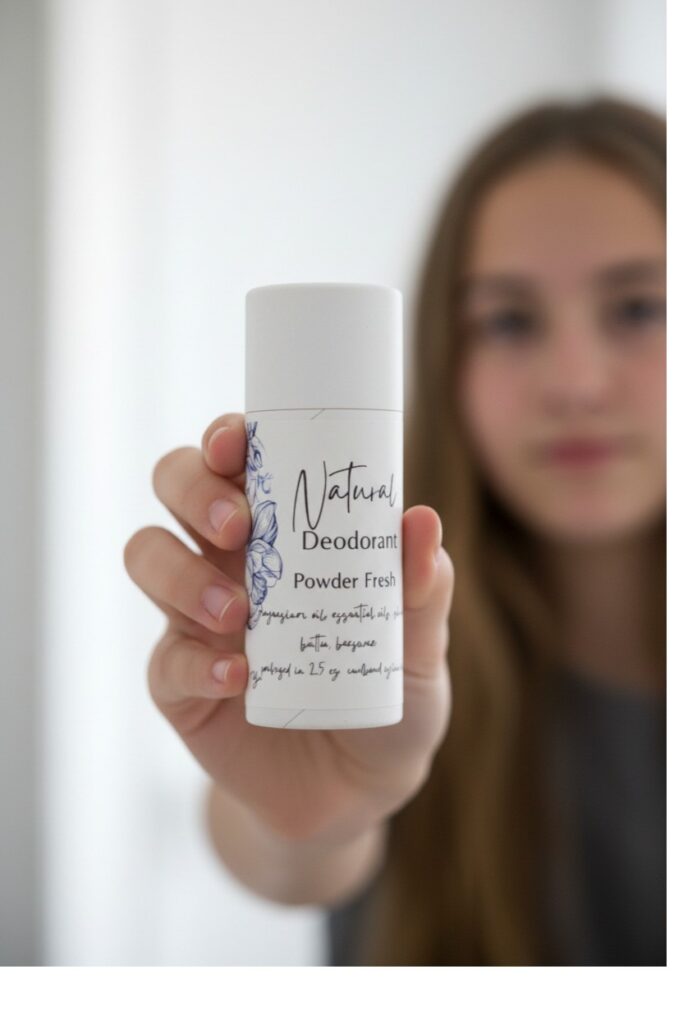
If you’re thinking about making the switch to aluminum-free deodorant, you’re not alone. Natural deodorants have exploded in popularity, but there’s still confusion about how they work, what makes them different, and whether they actually keep you fresh. In this article, we’re breaking down the facts about aluminum, sweat, odor, and what to expect when going natural.
🧪 What Does Aluminum Do in Regular Deodorants?
Most conventional deodorants are actually antiperspirants and they contain aluminum compounds to block your sweat glands.
That’s right: aluminum stops you from sweating by forming temporary plugs in your sweat ducts. But here’s the thing:
- Sweating is normal and healthy.
- Blocking it can disrupt your body’s natural detox process.
- Aluminum has been linked to skin irritation, and ongoing research is looking into potential long-term effects (NCI – Aluminum & Breast Cancer).
What Makes Natural Deodorant Different?
Aluminum-free deodorant doesn’t stop sweat , it neutralizes odor.
Instead of blocking your pores, aluminum free deodorant uses natural ingredients like:
- Coconut oil (antibacterial)
- Arrowroot or magnesium (moisture absorption)
- Essential oils (odor-fighting and fresh-smelling)
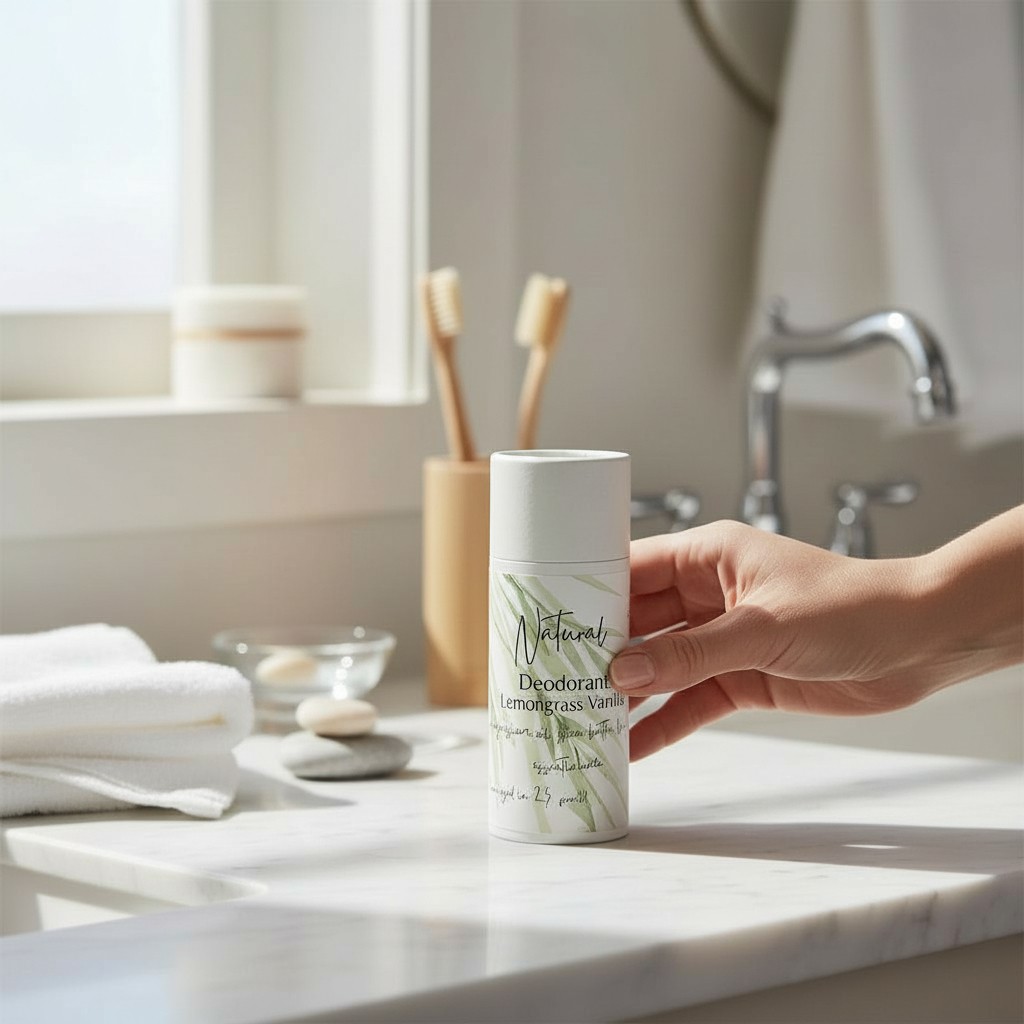
Our formula is aluminum-free, baking soda free, and made for sensitive skin packaged in a compostable cardboard tube so it’s gentle on you and the planet.
What to Expect When You Switch
Some people experience a brief “detox period” when switching to natural deodorant. You might notice:
- A little more sweating (as your pores unclog)
- A temporary increase in odor
- A few days of adjusting
This is normal and it usually passes within 1–2 weeks. Staying hydrated, wearing breathable clothing, and applying your natural deodorant consistently will help.
Is Baking Soda Bad?
Baking soda is a common ingredient in natural deodorant, but it can irritate sensitive skin. That’s why our formula skips it entirely, so you can stay fresh without the itch, redness, or burning some users report.
Why It’s Worth It
Choosing aluminum-free deodorant means:
- Supporting your body’s natural processes
- Avoiding synthetic chemicals and fragrance
- Reducing plastic waste
- Feeling good knowing what’s on your skin
Data on Why Aluminum in Deodorant May Be Harmful
🔹 1. National Cancer Institute (NCI) – Antiperspirant & Aluminum Safety
This page discusses concerns about aluminum in antiperspirants and its potential (though not proven) link to breast cancer. It’s a balanced, science-based overview.
🔗 https://www.cancer.gov/about-cancer/causes-prevention/risk/myths/antiperspirants-fact-sheet
🔹 2. Breast Cancer Prevention Partners – Ingredients of Concern: Aluminum
Highlights concerns about aluminum salts as endocrine disruptors and their accumulation in breast tissue.
🔗 https://www.bcpp.org/resource/aluminum/
🔹 3. Environmental Working Group (EWG) – Skin Deep Database on Antiperspirants
Lists products and ingredients, including safety ratings for aluminum compounds.
🔗 https://www.ewg.org/skindeep/