
Simple changes for a low-waste, sustainable kitchen
Creating a more sustainable kitchen doesn’t require a complete lifestyle overhaul. In fact, some of the most impactful changes come from replacing everyday disposable items with reusable, eco-friendly alternatives.
These small swaps can help reduce plastic waste, limit exposure to unnecessary chemicals, and create a healthier home for your family.
Here are seven simple eco-friendly swaps that can make your kitchen more sustainable.
1. Replace Plastic Wrap with Beeswax Wraps
Plastic wrap is one of the most common single-use items in kitchens. Unfortunately, it’s rarely recyclable and often ends up in landfills.
A great alternative is beeswax wraps, which are reusable food wraps made with cotton fabric coated in beeswax.
They can be used to cover bowls, wrap sandwiches, or store fruits and vegetables.
Why they’re better:
• reusable for months
• biodegradable
• breathable, helping food stay fresh longer
2. Swap Paper Towels for Cloth Napkins and Towels
Paper towels are convenient, but most households go through them quickly.
Reusable cotton napkins and kitchen towels are a simple swap that dramatically reduces waste.
Cloth napkins can be washed and reused hundreds of times while adding warmth and character to your kitchen table.
Benefits:
• less household waste
• softer and more absorbent
• adds charm to everyday meals
3. Replace Sponges with Swedish Dishcloths
Traditional kitchen sponges are usually made from plastic and can harbor bacteria.
Swedish dishcloths are a natural alternative made from cellulose and cotton.
They are highly absorbent and can replace both paper towels and sponges.
Why people love them:
• compostable
• machine washable
• incredibly durable
4. Choose Natural Dish Soap
Many commercial dish soaps contain artificial fragrance, dyes, and unnecessary additives.
Natural dish soaps made with plant-based ingredients and biodegradable surfactants can clean effectively while being gentler on hands and the environment.
Look for products with simple ingredient lists and minimal packaging.
5. Switch to Refillable Cleaning Products
Single-use plastic bottles are one of the biggest sources of household waste.
Refill systems allow you to reuse the same bottle again and again, simply adding water and a concentrated refill.
This reduces packaging waste and often lowers the overall environmental impact of cleaning products.
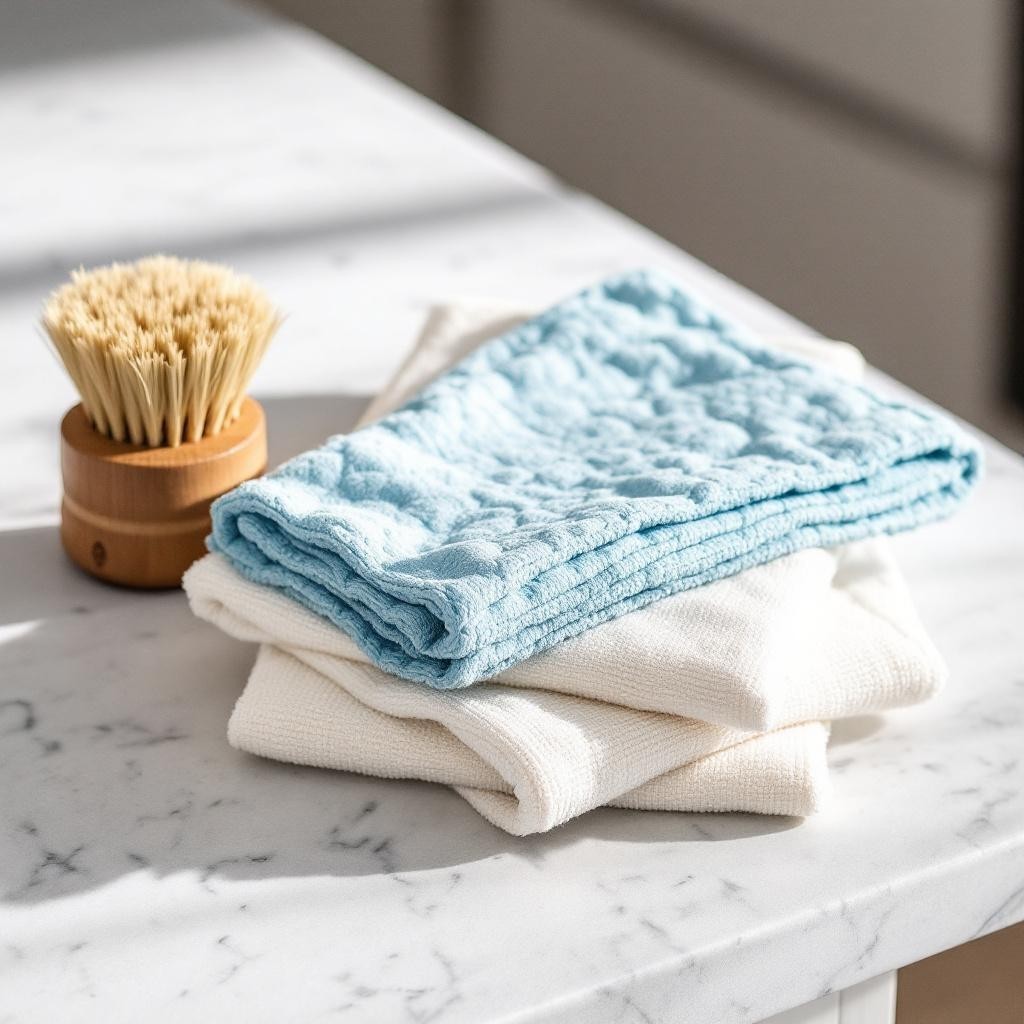
6. Use Wooden Brushes Instead of Plastic Scrubbers
Plastic dish brushes and scrubbers eventually wear out and end up in the trash.
Wooden kitchen brushes made with natural fibers like sisal or tampico are a durable and biodegradable alternative.
They work well for cleaning dishes, produce, and kitchen surfaces.
7. Choose Reusable Produce Bags
Plastic produce bags from the grocery store are another common source of waste.
Reusable cotton mesh produce bags are lightweight, washable, and perfect for fruits and vegetables.
They help reduce single-use plastic while making grocery shopping more sustainable.
Small Swaps Make a Big Difference
Creating a low-waste kitchen doesn’t happen overnight. But replacing a few everyday items with reusable alternatives can significantly reduce household waste over time.
From beeswax wraps to cloth napkins and refillable cleaning products, these simple changes help create a kitchen that’s both practical and environmentally friendly.
Sustainable living often starts with the small choices we make every day.
Final Thoughts
An eco-friendly kitchen isn’t about perfection, it’s about progress. Each reusable swap helps reduce waste and supports a more thoughtful approach to everyday living.
The good news is that many sustainable kitchen products are not only better for the environment, but also more beautiful, durable, and enjoyable to use. If you need more information many organizations such as the Environmental Working Group provide helpful resources for consumers who want to learn more about safer ingredients and sustainable household products.