
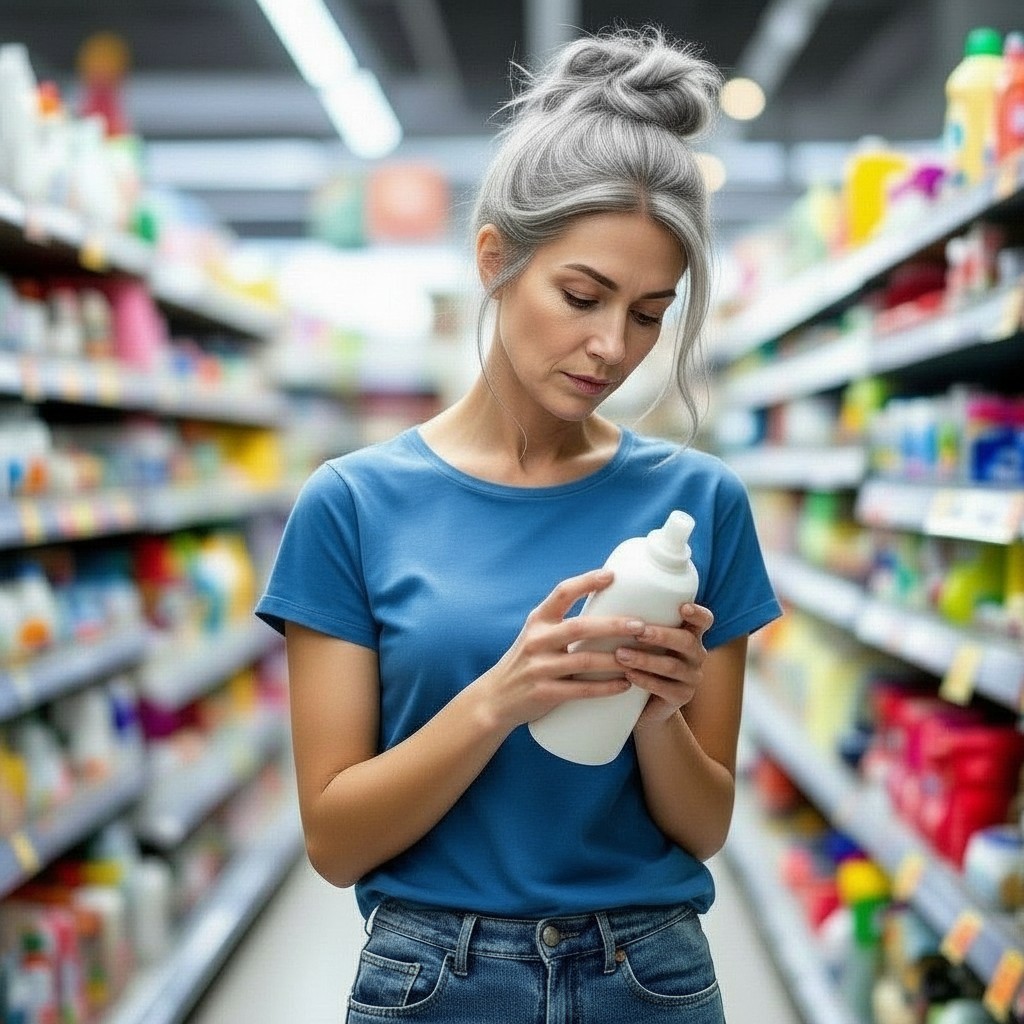
What to know about common household cleaning ingredients
Per the Environmental Working Group, many household cleaning products look bright, fresh, and powerful, but the ingredient lists often contain chemicals that most people don’t recognize.
While many ingredients are used safely in products, some have raised concerns because of their environmental impact, potential irritation, or lack of transparency. Here we are highlighting 7 Ingredients Hidden in Cleaning Products.
Understanding what’s inside everyday cleaning products can help consumers make more informed choices for their homes.
Here are seven common ingredients often found in cleaning products that are worth understanding.
1. Artificial Fragrance
The word “fragrance” on an ingredient label can represent a mixture of dozens of chemicals used to create a scent.
Manufacturers are not always required to disclose every compound used in fragrance blends because they are considered proprietary formulas.
For people with sensitive skin or allergies, artificial fragrances can sometimes cause irritation.
Many eco-friendly products instead use essential oils or remain unscented.
2. Phosphates
Phosphates were once widely used in detergents to help break down grease and stains.
However, when they enter waterways, they can contribute to algae growth that disrupts aquatic ecosystems.
Because of environmental concerns, phosphates have been restricted or removed from many household products.
Entity reference: Phosphates in detergents
3. Chlorine Bleach
Chlorine bleach is commonly used for disinfecting and whitening.
While effective, it can produce strong fumes and should be used carefully with proper ventilation.
Some people prefer alternative cleaning methods or oxygen-based cleaners for everyday household cleaning.
4. Optical Brighteners
Optical brighteners are chemicals used in laundry detergents to make fabrics appear brighter.
Instead of actually removing stains, they reflect light to make clothing look whiter.
Some people choose detergents without optical brighteners because these compounds may remain on fabrics after washing.
5. Sodium Lauryl Sulfate (SLS)
Sodium lauryl sulfate is a surfactant used to create foam and help lift dirt and grease.
While it is widely used in many cleaning and personal care products, some people find it can be drying or irritating to skin.
Entity reference: Sodium Lauryl Sulfate
6. Synthetic Dyes
Bright blue, green, or pink colors in cleaning products often come from synthetic dyes.
These dyes are added mainly for visual appeal rather than cleaning performance.
Many natural cleaning products skip dyes entirely, resulting in formulas that appear clear or lightly colored.
7. Ammonia
Ammonia is sometimes used in glass cleaners and degreasers because it helps dissolve grime and evaporates quickly.
However, it can produce strong fumes and should never be mixed with bleach because the combination can create dangerous gases.
Entity reference: Ammonia
Why Ingredient Transparency Matters
Many consumers today want to understand what goes into the products they use in their homes.
Organizations such as the Environmental Working Group provide helpful resources that explain common ingredients and their potential environmental or health impacts.
Choosing products with simple, clearly labeled ingredients can make it easier to know what you’re bringing into your home.
Choosing Simpler Cleaning Products
An increasing number of brands are focusing on formulas made with fewer ingredients, biodegradable components, and refillable packaging.
These approaches can help reduce unnecessary chemicals and packaging waste while still keeping homes clean and fresh.
Final Thoughts
Cleaning products play an important role in maintaining a healthy home. By learning more about common ingredients and how they work, consumers can make more informed choices about the products they use every day.
Small steps toward ingredient transparency and sustainability can contribute to a cleaner home and a healthier planet.
Learn More About Cleaning Ingredients
For readers who want to explore cleaning ingredient safety further, these trusted resources provide helpful research and guidance:
• Environmental Working Group – Guide to Healthy Cleaning and ingredient safety database
• U.S. Environmental Protection Agency – Information on safer ingredients and the Safer Choice program
These organizations provide independent research on common household cleaning ingredients and product safety.