If you’ve ever looked at the ingredients in a natural laundry detergent or eco-friendly cleaning product, you may have seen terms like “soap flakes,” “sodium cocoate,” or even “bleached coconut soap.” At first glance, those words can sound confusing or even concerning.
But in reality, coconut soap flakes are one of the oldest and simplest cleaning ingredients in the world.
At Butterfly & Bee, we believe consumers deserve to know exactly what goes into the products they use around their homes, families, and pets. So let’s take a closer look at how coconut soap flakes are made, what “bleached” really means, and why plant-based soap remains a favorite in natural cleaning products.
What Are Coconut Soap Flakes?
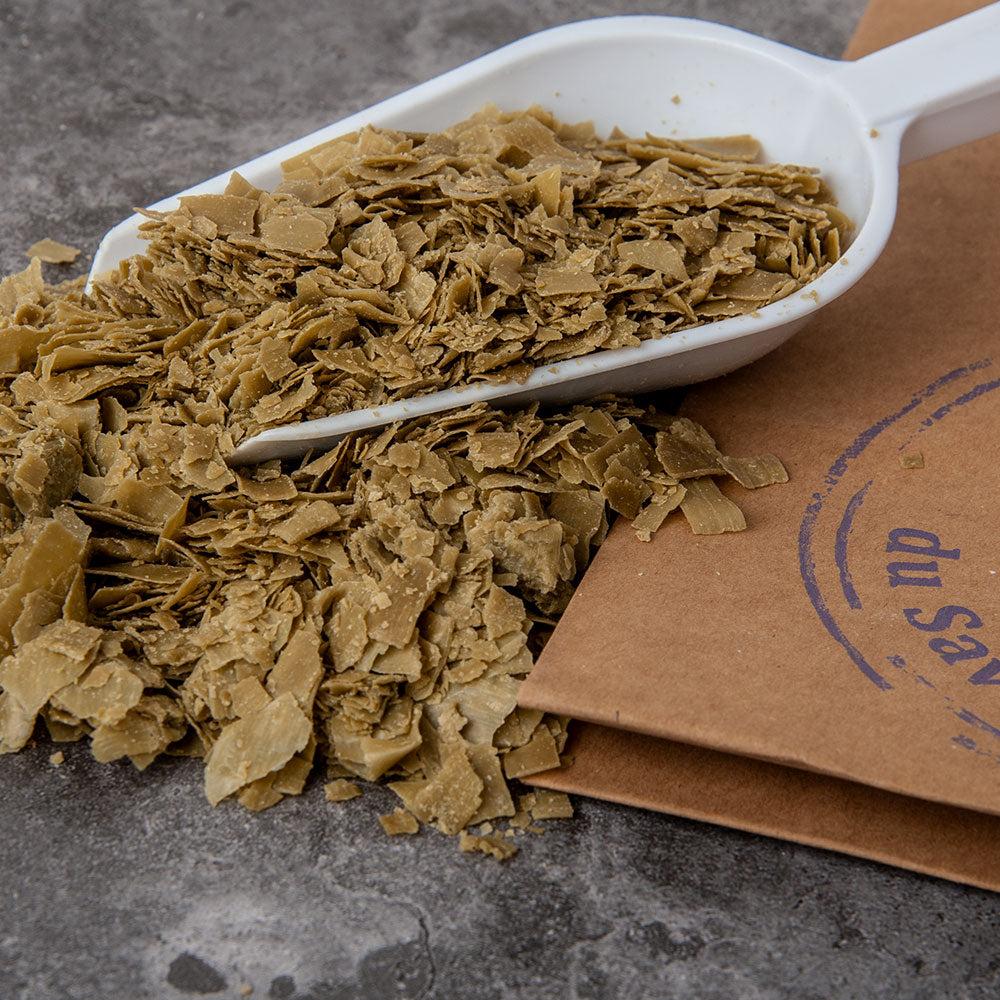
Coconut soap flakes are simply dried soap made from coconut oil.
They’re commonly used in:
- Natural laundry detergents
- Powder cleansers
- Dishwashing powders
- DIY cleaning recipes
- Zero-waste refill products
- Sensitive skin laundry products
In ingredient listings, coconut soap may appear as:
- Sodium Cocoate
- Coconut Soap
- Soap Flakes
- Coconut-Derived Soap
Unlike synthetic detergents, coconut soap is created through a traditional soapmaking process called saponification.
Step 1: Starting With Coconut Oil
The process begins with coconut oil, which is valued for its cleansing ability and rich lather.
Coconut oil is commonly used in natural soap because it:
- Creates strong cleaning power
- Produces fluffy bubbles
- Rinses well
- Works effectively in laundry products
- Comes from a renewable plant source
Many manufacturers use refined coconut oil for consistency and purity in soap production.
Step 2: The Saponification Process
Next comes the actual soapmaking step.
Coconut oil is combined with sodium hydroxide (lye) and water. This chemical reaction is called saponification.
During saponification:
- The oils and lye transform completely into soap
- No sodium hydroxide remains in the finished product when properly made
- Glycerin is naturally created
This process has been used for centuries to create traditional soaps.
The finished soap is then washed, dried, and processed into flakes or noodles.
Step 3: Drying and Flaking the Soap
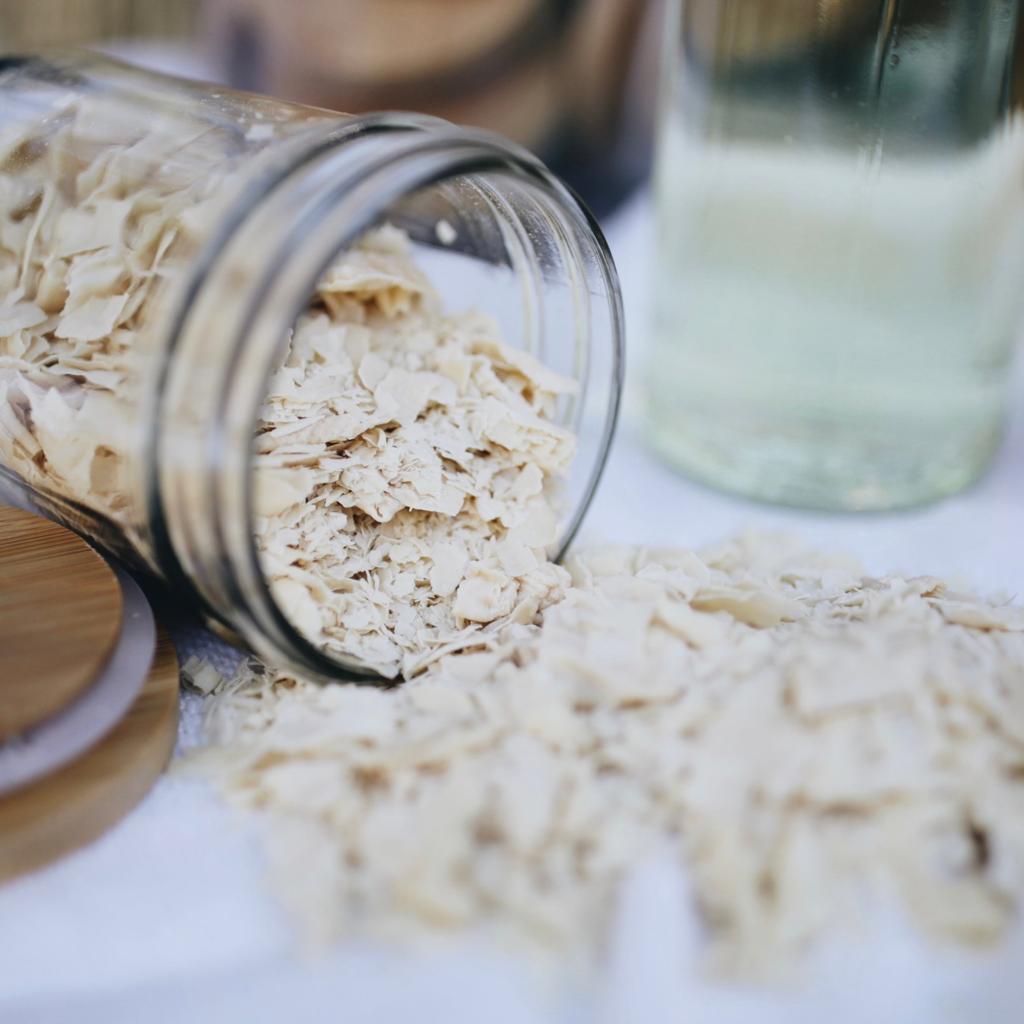
Once the soap base is complete, it is dried into solid sheets or pellets.
The soap is then:
- Shaved into flakes
- Ground into smaller pieces
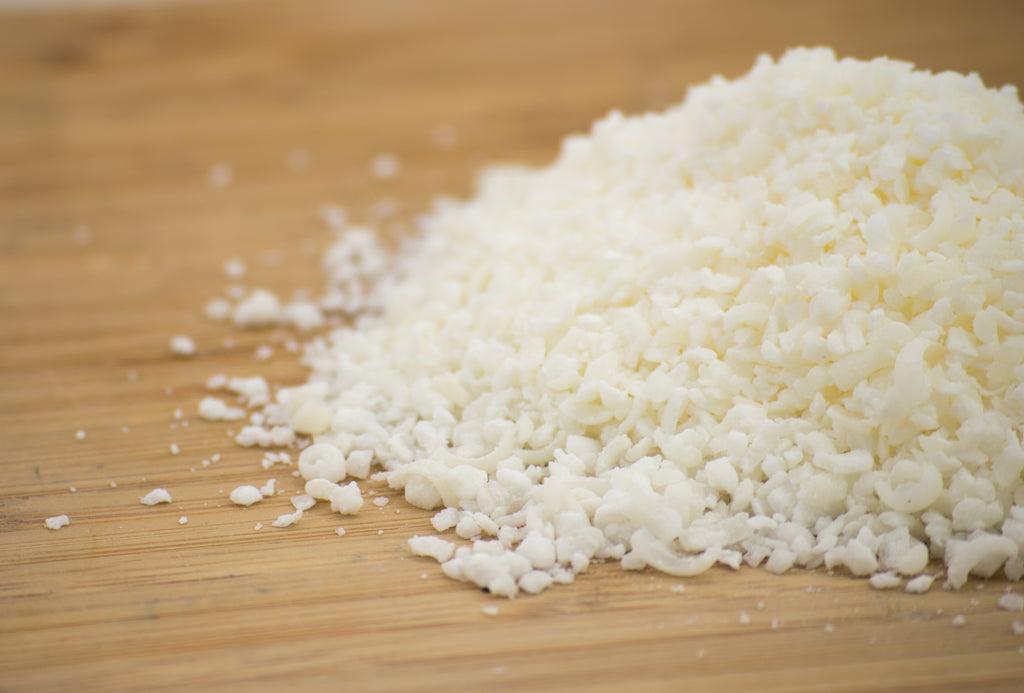
- Formed into noodles or pellets
These flakes dissolve more easily in water, making them ideal for laundry detergents and powdered cleaning products.
Some companies use very fine flakes for faster dissolving in cold water or HE washing machines.
What Does “Bleached” Mean in Coconut Soap?
This is where confusion often happens.
Many coconut oils or soap ingredients are labeled:
- RBD Coconut Oil
- Refined, Bleached, and Deodorized
The word “bleached” sounds harsh, but in natural ingredient manufacturing, it usually does NOT mean chlorine bleach was added.
Instead, the oil is filtered through natural materials like:
- Clay
- Carbon filters
- Earth minerals
This process removes:
- Natural color variations
- Strong odors
- Plant particles
The goal is to create a more stable and consistent soap ingredient.
Is Bleached Coconut Soap Safe?
In most natural soap manufacturing, yes.
The “bleaching” process used in refined coconut oil is very different from household chlorine bleach.
Properly refined coconut oil:
- Does not contain chlorine bleach
- Is commonly used in food and cosmetic products
- Helps create stable, consistent soap flakes
Many eco-conscious brands use refined coconut oil because it improves shelf stability and appearance while still remaining plant-based.
Why Some Natural Brands Prefer Coconut Soap Flakes
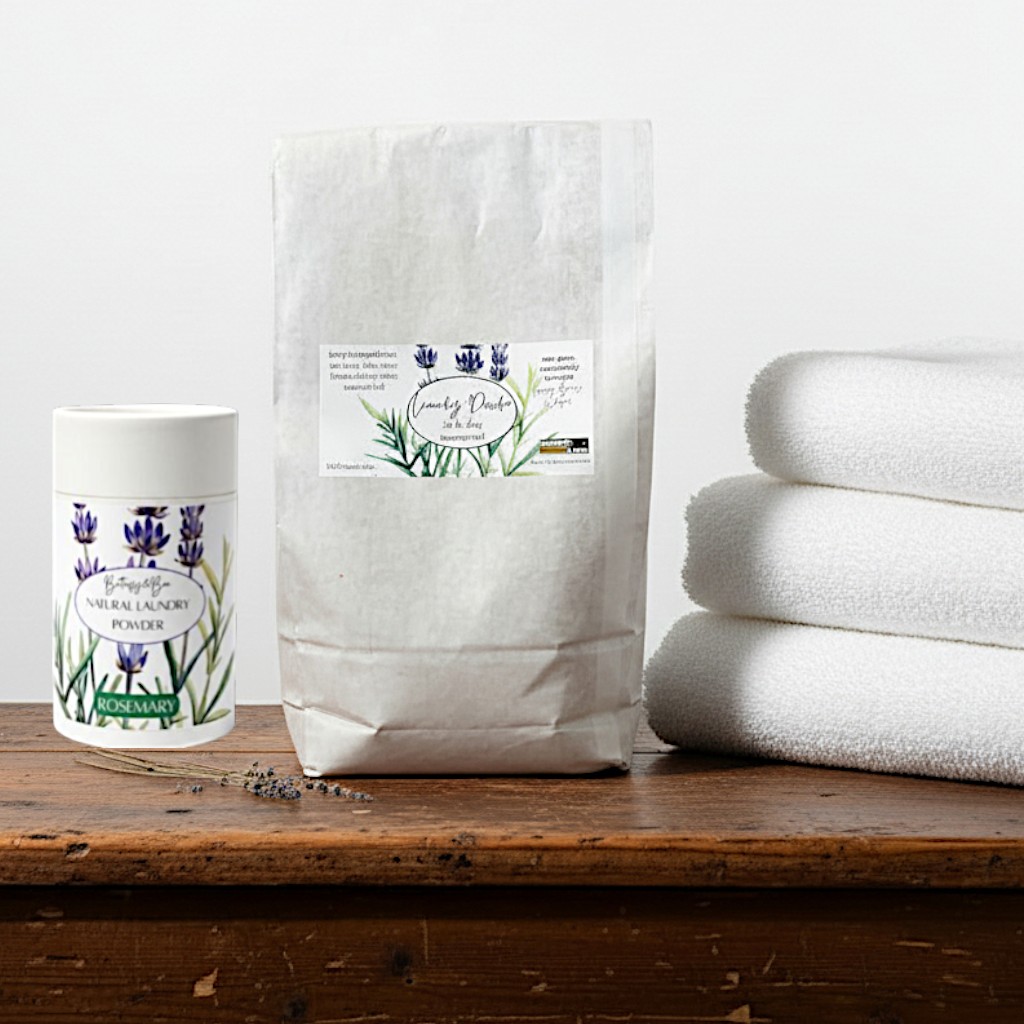
Coconut soap flakes remain popular because they are:
- Plant-based
- Biodegradable
- Plastic-free friendly
- Effective cleaners
- Gentle on fabrics
- Compatible with low-waste lifestyles
They’re especially common in:
- Powder laundry detergents
- Refill systems
- Zero-waste cleaning products
- Sensitive skin formulas
At Butterfly & Bee, we love simple ingredients that consumers can actually understand.
Coconut Soap vs Synthetic Detergents
Many mainstream laundry products use synthetic surfactants instead of real soap.
Synthetic detergents are designed for:
- Heavy foaming
- Bright colors
- Long shelf life
- Artificial fragrance retention
Natural soap flakes take a simpler approach.
Instead of petroleum-derived detergents, coconut soap relies on traditional soap chemistry and plant oils.
That’s one reason many consumers switching to natural products appreciate soap-based laundry powders and refill systems.
Why Soap Flakes Are Popular in Zero-Waste Cleaning
Soap flakes work especially well in low-waste and refillable products because they are:
- Lightweight
- Concentrated
- Easy to package without plastic
- Long lasting
- Simple to ship
Many eco-friendly brands now use soap flakes in:
- Compostable refill pouches
- Bulk refill stations
- Plastic-free laundry products
This helps reduce water shipping and single-use plastic waste.
What To Look For When Buying Soap Flakes
Not all soap flakes are the same.
Some contain:
- Animal fats
- Synthetic detergents
- Fragrance additives
- Preservatives
- Palm oil blends
If you want a cleaner ingredient profile, look for:
- Sodium Cocoate
- Coconut-derived soap
- Palm-free formulas
- Fragrance-free options
- Minimal ingredient lists
Consumers are increasingly searching for products with recognizable, transparent ingredients.
Final Thoughts
Natural cleaning products don’t have to be complicated.
Coconut soap flakes are one of the simplest examples of traditional cleaning ingredients still widely used today. While terms like “bleached” can sound intimidating, the reality is often far less dramatic than people assume.
Understanding how ingredients are made helps consumers make more informed choices about the products they bring into their homes.
At Butterfly & Bee, we believe in creating products with simple ingredients, low-waste packaging, and honest transparency because clean living should feel approachable, not overwhelming.