
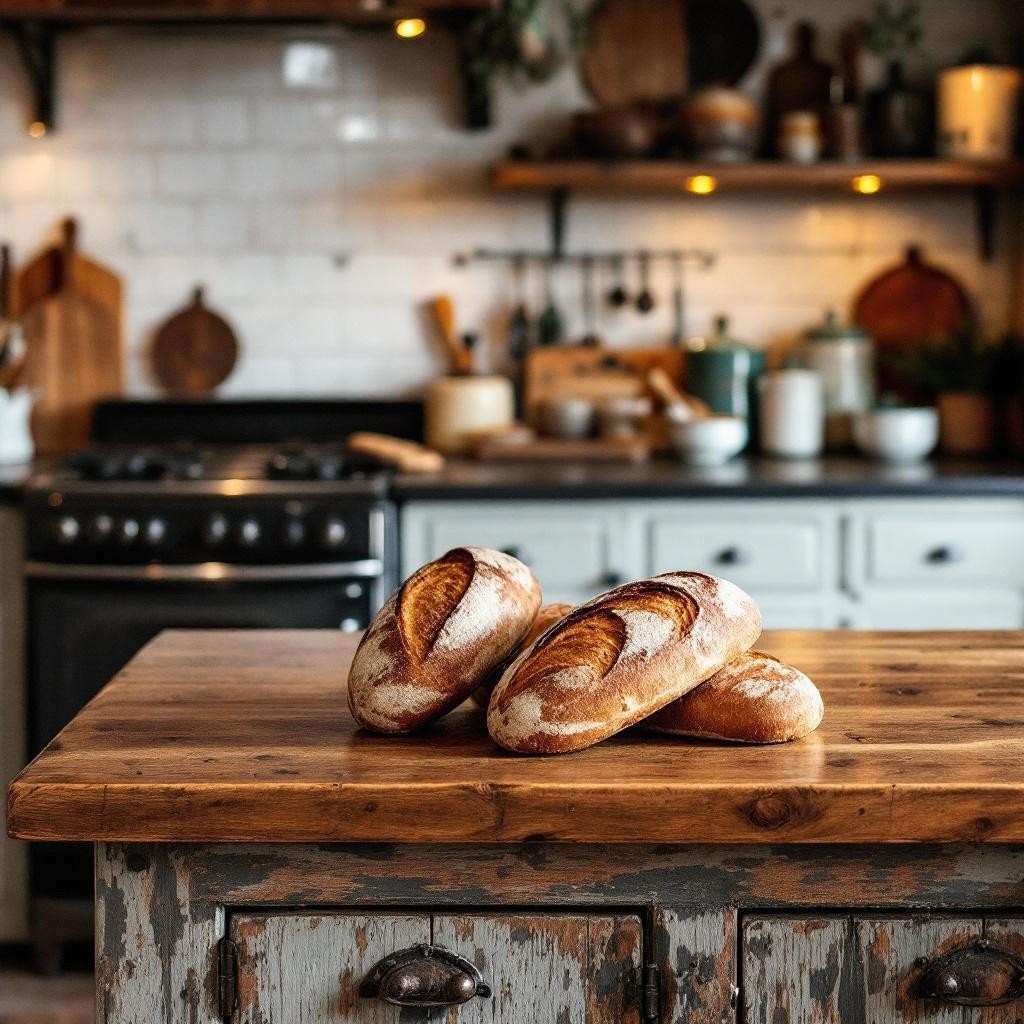
The Return of Homemade Bread
It started as a trend, but it quietly became a lifestyle.
Over the past few years, more families have returned to their kitchens, mixing flour, water, and time to create something simple and deeply satisfying: homemade sourdough bread. What began during uncertain times has now evolved into a lasting shift toward slower, more intentional living.
For many households, sourdough baking isn’t just about bread. It’s about knowing exactly what goes into the food you eat, reducing reliance on processed products, and reconnecting with simple daily rituals. The same families choosing non-toxic cleaning products and reusable home goods are now baking their own bread and they’re not looking back.
What Makes Sourdough Different?
Unlike most store-bought bread, sourdough is made using a natural fermentation process. Instead of commercial yeast, it relies on a live culture often called a “starter”, made from just flour and water.
This fermentation process:
- Breaks down sugars and starches
- Develops natural flavor
- Creates a beautifully textured loaf with a crisp crust and soft interior
At its core, sourdough is refreshingly simple. Most recipes contain just three ingredients:
- Flour
- Water
- Salt
That’s it. No preservatives, no additives, no long ingredient lists you can’t pronounce.
In a world where food labels are often overwhelming, sourdough offers a return to basics and that’s a big part of its appeal.
Is Sourdough Actually Healthier?
While everyone’s dietary needs are different, many people turn to sourdough because it feels like a cleaner, more natural option.
The fermentation process in sourdough may make it easier for some people to digest compared to conventional bread. It also avoids the additives and preservatives commonly found in packaged loaves.
Rather than making bold health claims, most sourdough bakers appreciate:
- Fewer, simpler ingredients
- A more natural preparation process
- A bread that feels less processed overall
For families focused on reducing unnecessary ingredients in their home, sourdough fits right in.
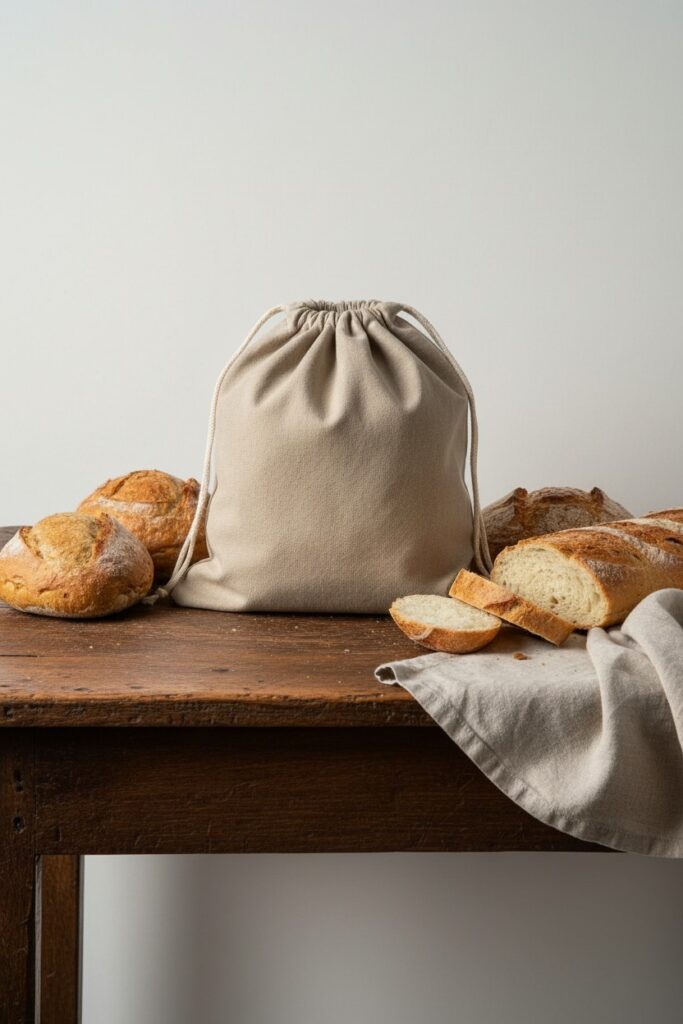
Does Making Sourdough Save Money?
This is one of the biggest surprises for people who start baking their own bread.
A high-quality artisan loaf from a bakery or grocery store can cost anywhere from $6 to $10, sometimes more depending on ingredients and location.
Homemade sourdough, on the other hand, is remarkably affordable:
- Flour + salt per loaf: roughly $1–$2
Even when factoring in time and a bit of practice, the savings add up quickly.
For example:
- 2 loaves per week = 8 loaves per month
- Store-bought: ~$48–$80/month
- Homemade: ~$8–$16/month
That’s a potential savings of hundreds of dollars per year.
For families already looking for ways to cut costs without sacrificing quality, sourdough baking becomes an easy win.
Who Is Making Sourdough at Home?
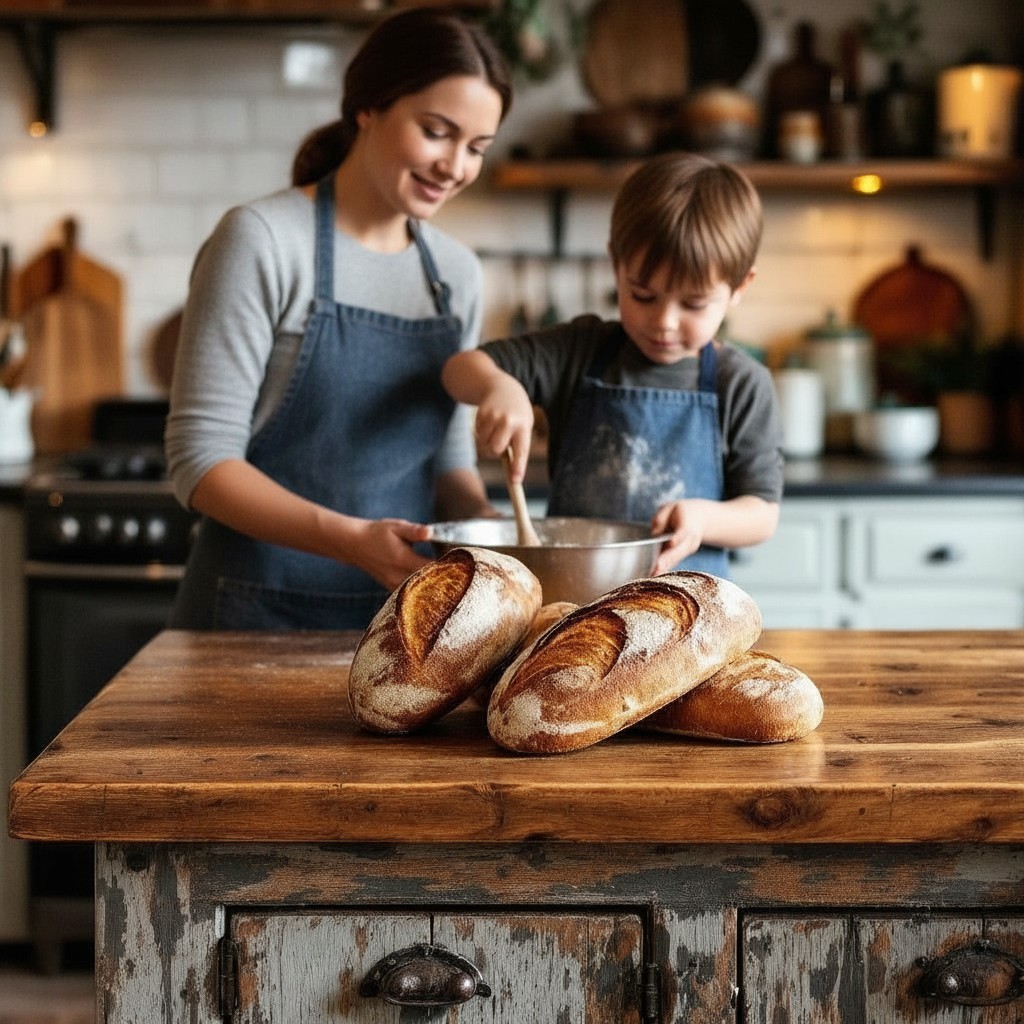
Sourdough isn’t limited to one type of household—it’s being embraced by a wide range of families and individuals.
Young Families
Parents are baking with their kids, turning bread making into a hands-on, screen-free activity. It’s a simple way to teach patience, creativity, and basic cooking skills.
Health-Conscious Households
Families focused on ingredient transparency are choosing sourdough because they can control exactly what goes into their food.
Budget-Minded Homes
With grocery prices rising, many people are turning to sourdough as a cost-effective alternative to store-bought bread.
Eco-Conscious Consumers
Those already reducing plastic and waste in their homes see sourdough as a natural extension of that lifestyle.
In many ways, sourdough baking sits at the intersection of all these values: health, savings, sustainability, and simplicity.
The Sustainability Factor
Sourdough baking also aligns with a more sustainable way of living.
When you bake at home, you naturally reduce:
- Plastic packaging from store bought bread
- Food waste (by baking only what you need)
- Frequent trips to the grocery store
Combined with reusable kitchen tools and storage solutions, sourdough becomes part of a broader shift toward a lower-waste home.
It’s not about perfection, it’s about small, meaningful changes that add up over time.
The One Challenge: Storing Homemade Bread
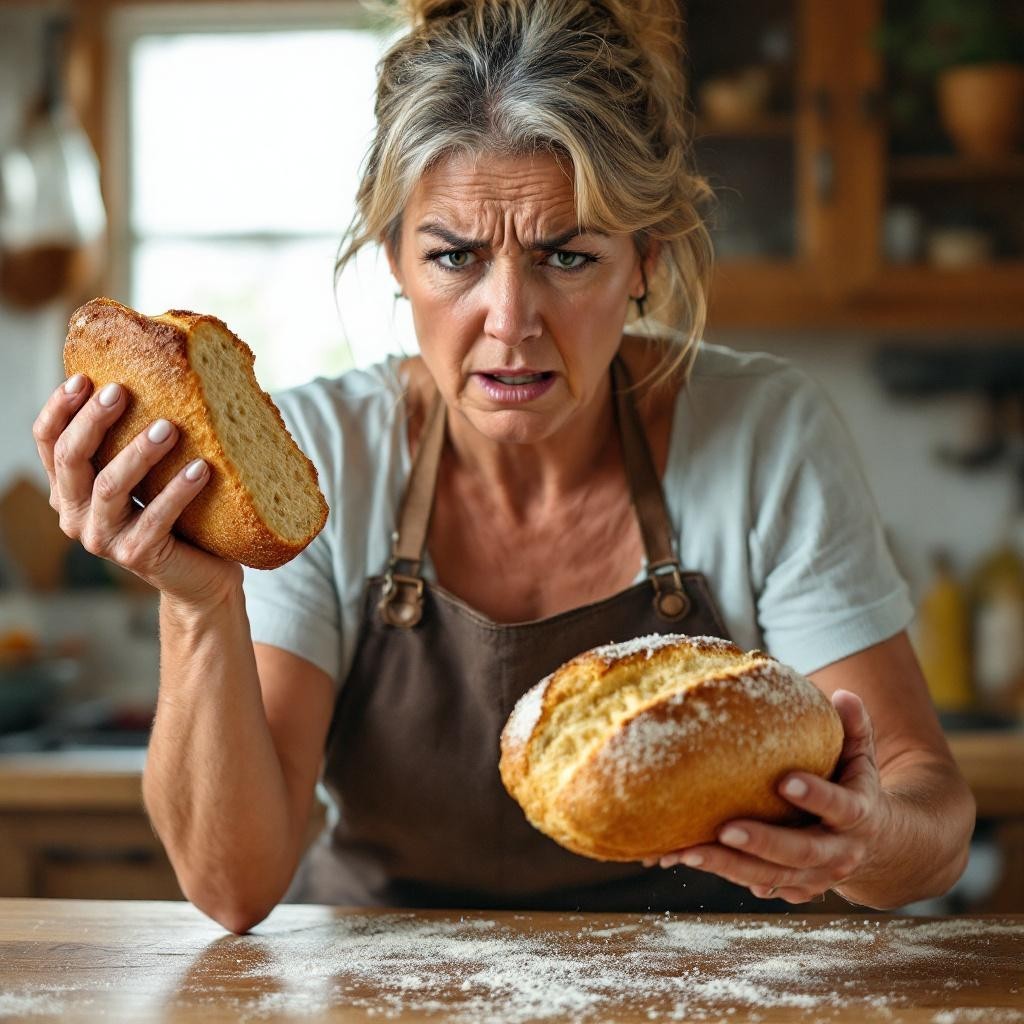
As wonderful as sourdough is, it does come with one common challenge:
It doesn’t last as long as store-bought bread.
Without preservatives, homemade bread can:
- Dry out quickly
- Become stale within a day or two
- Or develop mold if stored improperly
This is where many new bakers get frustrated. After putting in the time and care to bake a beautiful loaf, keeping it fresh becomes the next hurdle.
A Better Way to Store Sourdough Naturally
Most people instinctively reach for plastic bags, but plastic can trap moisture, leading to condensation and faster mold growth.
On the other hand, storing bread in a plain cloth bag allows too much airflow, causing the loaf to dry out too quickly.
The key is balance.
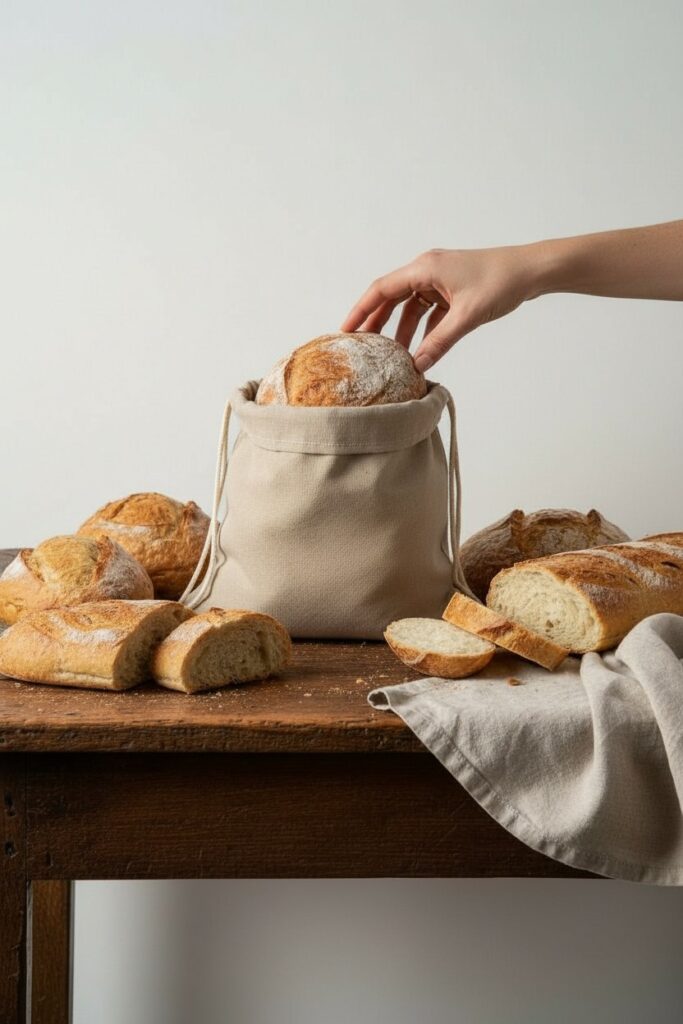
Many home bakers are now turning to linen bread bags paired with beeswax liners as a more natural storage solution.
This combination works by:
- Allowing the bread to breathe (thanks to the linen outer layer)
- Retaining just enough moisture (with a beeswax liner)
- Avoiding the condensation issues common with plastic
The result is bread that stays fresher longer, without relying on synthetic materials or single-use packaging.
It’s a simple upgrade that makes a noticeable difference, especially for those baking regularly.
More Than a Trend
Sourdough baking isn’t just a passing trend, it reflects a larger shift in how people think about their homes, their food, and their daily routines.
Families are:
- Cooking more from scratch
- Paying closer attention to ingredients
- Looking for ways to save money
- Reducing waste wherever they can
And in the middle of all that, something as simple as a loaf of bread becomes meaningful again.
Final Thoughts
Switching to sourdough doesn’t require a complete lifestyle overhaul. It starts small with flour, water, and time.
But for many families, it leads to something bigger:
- More intentional habits
- Less reliance on processed foods
- A deeper connection to everyday routines
And like many simple changes, it begins with just one loaf.