Consumers are paying closer attention than ever to what goes into the products they bring into their homes. From ingredient labels to packaging waste, natural cleaning products have become one of the fastest-growing categories in home care.
But with that growth comes a lot of confusion.
Do natural cleaning products actually work? Are they truly safer? And why do they often cost more than conventional cleaners?
If you’ve been curious about making the switch, or wondering whether natural cleaning products are worth the hype, you’re not alone.
Here are the top three questions shoppers ask about natural cleaning products, answered.
1. Do Natural Cleaning Products Actually Work?
This is by far the most common question.
Many people assume that if a product is “natural,” it must be weaker than conventional cleaners. The truth is: well-formulated natural cleaning products can be highly effective.
The key is understanding that cleaning performance depends on ingredient selection and formulation, not simply whether an ingredient is natural or synthetic.
How Natural Cleaning Products Work
Many natural cleaning products rely on ingredients such as:
- Mineral-based cleaning agents
- Water softeners like sodium citrate
- Natural degreasers and surfactants
- Mild abrasives such as baking soda
These ingredients can lift oils, suspend dirt, soften water, break down grease, and deodorize surfaces—just like many conventional cleaners, but often with simpler ingredient lists.
The American Cleaning Institute notes that consumers should not assume safety or performance based on “natural” labeling alone, and that performance depends on formulation quality, not marketing claims.
Where Natural Products Perform Best
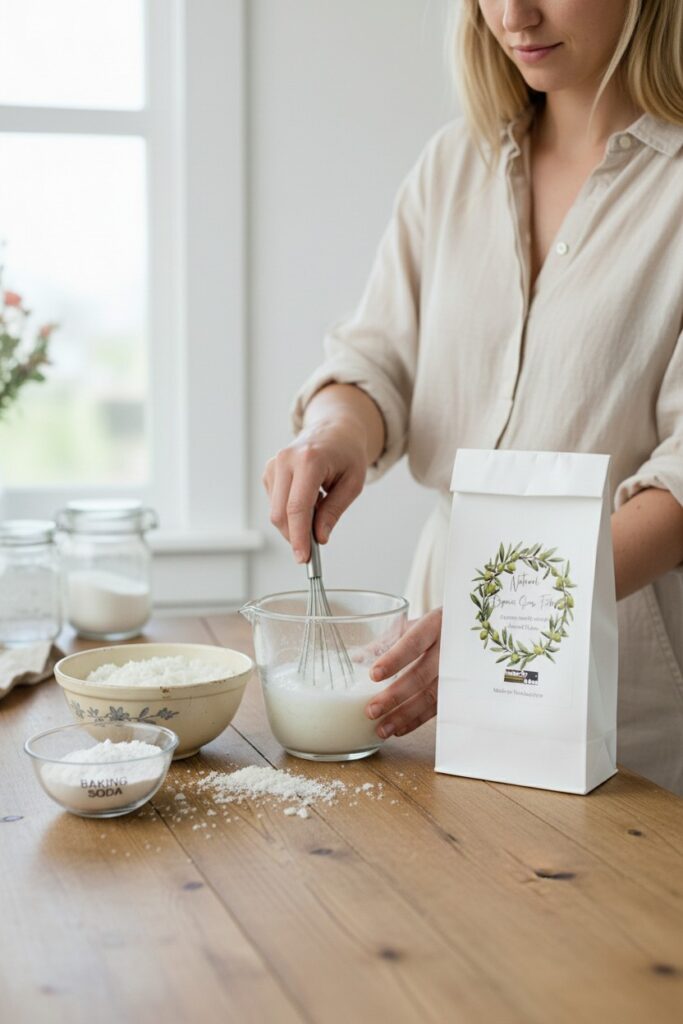
Natural cleaning products tend to perform very well for:
- Everyday surface cleaning
- Laundry detergent
- Glass and mirrors
- Kitchen and bathroom maintenance
- Odor removal
- Light to moderate grease removal
Where They May Require More Effort
Natural cleaners can sometimes require:
- More dwell time
- A second application
- Scrubbing for heavy buildup
- Specialty formulas for extreme messes
That doesn’t mean they don’t work, it means they often trade some convenience for gentler ingredients.
Bottom Line
Natural cleaning products absolutely can work well, but not all are created equal.
Look for brands that focus on:
- realistic performance claims
- thoughtful formulation
- product-specific solutions rather than “one miracle cleaner”
2. Are Natural Cleaning Products Really Safer?
This question is more nuanced than many brands admit.
The answer:
Natural does not automatically mean safe.
And conventional does not automatically mean unsafe.
That said, many consumers choose natural cleaning products because they want to reduce exposure to certain harsh ingredients, fragrances, or unnecessary additives commonly found in conventional cleaners.
Why People Switch to Natural Cleaning Products
Common reasons include concerns about:
- Indoor air quality
- Skin sensitivity
- Asthma / respiratory irritation
- Pet and child exposure
- Ingredient transparency
- Environmental impact
Research has found that some conventional cleaning products emit volatile organic compounds (VOCs), which can impact indoor air quality, especially in heavily fragranced or harsher formulations.
What Matters More Than “Natural”
The most important factor is not whether a product says natural.
It’s:
Ingredient Transparency
Can you easily see what’s inside?
Organizations like the Environmental Working Group emphasize that ingredient disclosure matters because many cleaning products use vague marketing language while hiding full ingredient details.
Third-Party Standards
Consumers may also look for certifications or verification programs such as:
- EPA Safer Choice Program
- EWG Verified
- Leaping Bunny (for cruelty-free claims)
These programs help validate that products meet certain safety or transparency standards.
Fragrance Considerations
Even some natural products may contain:
- essential oils
- fragrance blends
- naturally derived allergens
So “natural” should never be viewed as a blanket guarantee of safety.
Bottom Line
Natural cleaning products can be a great option for many households—but the smartest shoppers focus on:
- full ingredient disclosure
- thoughtful formulation
- trusted certifications
- products appropriate for their needs
Not just the word “natural” on the front label.
3. Why Are Natural Cleaning Products More Expensive?
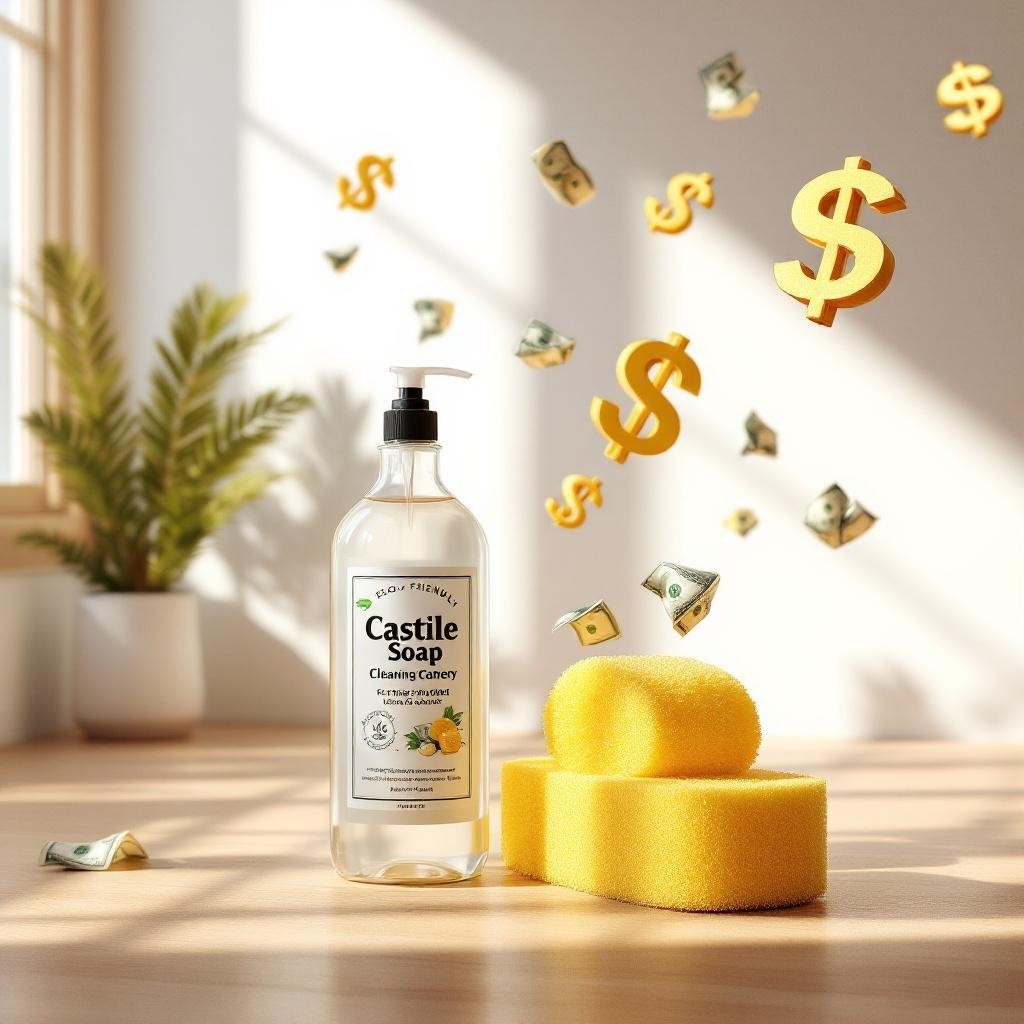
This is one of the biggest objections shoppers have and a fair question.
At first glance, many natural cleaning products do cost more than mass-market conventional alternatives.
But there are reasons for that.
1. Higher Quality Ingredients
Many natural brands use:
- Plant-based or mineral-based ingredients
- More premium surfactants/soaps
- Fewer cheap fillers
- Better sourcing standards
Higher-quality ingredients often cost more to purchase.
2. Smaller Batch Production
Unlike major multinational brands, many natural cleaning companies produce in smaller batches.
Small-batch manufacturing often means:
- Higher labor costs
- Lower production efficiency
- Less purchasing power on raw materials
- More hands-on quality control
3. Sustainable Packaging Costs More
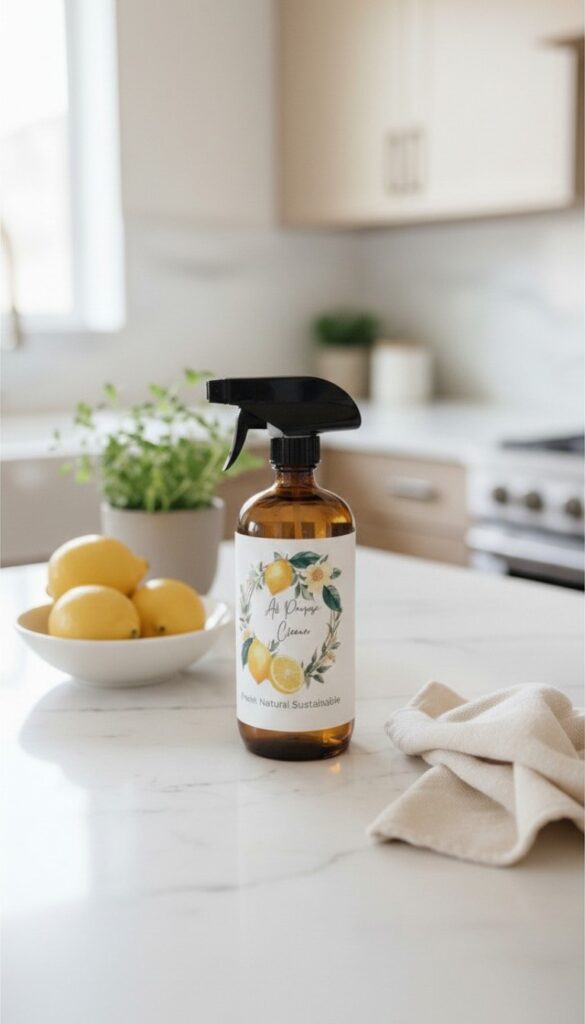
One of the biggest drivers of price:
Sustainable packaging.
Materials like:
- Glass bottles
- Aluminum tins
- Compostable refill pouches
- Recycled cardboard
Typically cost significantly more than standard plastic packaging.
4. Refill & Concentrate Systems Offset Cost
Many natural brands are moving toward:
- Concentrated formulas
- Bulk refills
- Reusable bottles
- Refill pouches
While upfront costs may be higher, refill systems can reduce cost per use over time.
5. Certifications & Compliance
Brands pursuing certifications like:
- EWG Verified
- EPA Safer Choice
- Leaping Bunny
often incur:
- Testing fees
- Documentation costs
- Audit/compliance expenses
Those investments can increase product costs.
Are Natural Cleaning Products Worth It?
That depends on your priorities.
If you value:
- Simple ingredient lists
- Lower-tox formulations
- Sustainable packaging
- Refillable systems
- Small-batch craftsmanship
- Ingredient transparency
Then many consumers feel the higher price is justified.
If lowest possible upfront cost is your only priority, conventional products may remain cheaper.
How to Choose Better Natural Cleaning Products
If you’re shopping for natural cleaners, here are a few smart tips:
Look Beyond Marketing Buzzwords
Terms like:
- green
- natural
- eco-friendly
- non-toxic
are often unregulated.
Always read beyond the front label.
Check Ingredient Transparency
Choose brands that disclose:
- full ingredient lists
- fragrance details
- certifications
- sourcing philosophy
Look for Third-Party Verification
Useful indicators include:
- EPA Safer Choice
- EWG Verified
- Leaping Bunny
Consider Cost Per Use
A concentrated refill may seem expensive upfront but may provide:
- more uses
- less waste
- lower long-term cost
Final Thoughts: Natural Cleaning Products Are Not Magic—But They Can Be a Smart Choice
Natural cleaning products are not automatically better simply because they are labeled natural.
But thoughtfully formulated natural cleaners can offer:
- Effective performance
- Simpler ingredient lists
- Lower-waste packaging
- Better ingredient transparency
- Reduced exposure to certain harsh ingredients
Like any category, the best products are the ones backed by thoughtful formulation, not just trendy marketing.
The smartest approach is to shop informed, read labels carefully, and choose products that align with your priorities and household needs.