Introduction
Walk down any cleaning aisle today and you’ll see shelves filled with “natural,” “green,” and “eco-friendly” laundry detergents. But what do those labels actually mean and do these products really work?
As more people look to reduce toxins in their homes, natural laundry detergent has become one of the most searched and fastest-growing categories in home care. Families want safer options for their skin, their homes, and the environment. But many are left frustrated when natural detergents don’t seem to clean as well, or leave clothes smelling less than fresh.
The truth? Not all natural laundry detergents are created equal.
In this guide, we’ll break down what actually works, what doesn’t, and what most brands don’t tell you about making the switch.
Why More People Are Switching to Natural Laundry Detergent
There are three major reasons behind the shift:
1. Skin Sensitivity and Health Concerns
Conventional detergents often contain synthetic fragrances, dyes, and preservatives that can irritate sensitive skin. Many people don’t realize that laundry detergent residue stays on clothing, meaning it stays in constant contact with your skin., Organizations like the Environmental Working Group highlight concerns around undisclosed fragrance ingredients and potential irritants in everyday cleaning products.
2. Reducing Toxins in the Home
Your laundry routine is something you use multiple times a week. Swapping to a cleaner formula can significantly reduce overall chemical exposure in your home, especially important for households with kids and pets.
3. Environmental Impact
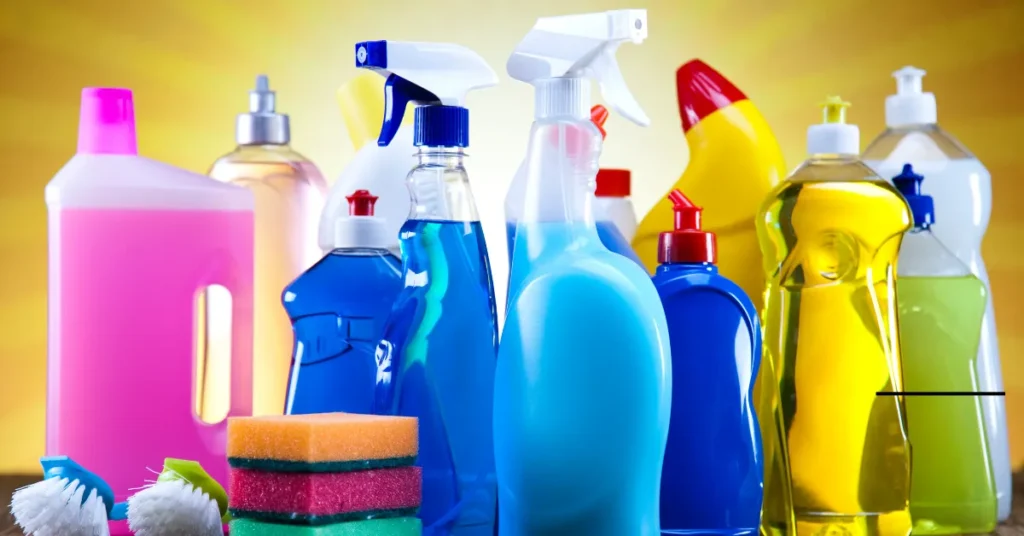
Traditional detergents often come in plastic packaging and may contain ingredients that don’t break down easily in waterways.
Natural alternatives tend to focus on:
- Biodegradable ingredients
- Minimal packaging
- Refill systems
- Plastic-free options
Do Natural Laundry Detergents Actually Work?

Yes, but with some important caveats.
Natural detergents clean differently than conventional ones. Instead of using harsh surfactants and chemical boosters, they rely on:
- Soap (like castile or coconut-based soap)
- Mild surfactants
- Mineral-based cleaning agents like washing soda or sodium citrate
Where They Work Well:
- Everyday laundry
- Light to moderate dirt
- Sensitive skin clothing
- Baby clothes
Where People Run Into Issues:
- Heavy stains
- Hard water conditions
- Overloading machines
- Using too much detergent
According to testing from Consumer Reports, some natural detergents perform just as well as conventional ones—while others fall short depending on formulation.
👉 The takeaway: formula matters more than the label.
Common Problems (And Why They Happen)
This is where most people get frustrated and often give up on natural detergents too soon.
Problem 1: Laundry Still Smells After Washing

Why it happens:
- Too much detergent (yes, really)
- Buildup in fabrics
- Low-quality formulas
- Hard water
Fix:
- Use less detergent
- Add a water softener like sodium citrate
- Wash in warm water occasionally
Problem 2: Residue on Clothes
Why it happens:
- Soap + hard water = soap scum
- Overuse of powder detergents
Fix:
- Reduce amount used
- Add a rinse cycle
- Use a properly balanced formula
Problem 3: Not Enough Suds
Here’s a big myth:
👉 Suds do NOT equal clean.
Natural detergents are often low-sudsing by design. In fact, modern washing machines (especially HE machines) perform better with less foam.
Problem 4: Fading or Weak Scent
Essential oils don’t cling to fabric the same way synthetic fragrance does.
That “strong scent” people are used to?
It’s often from synthetic fragrance designed to linger, not clean
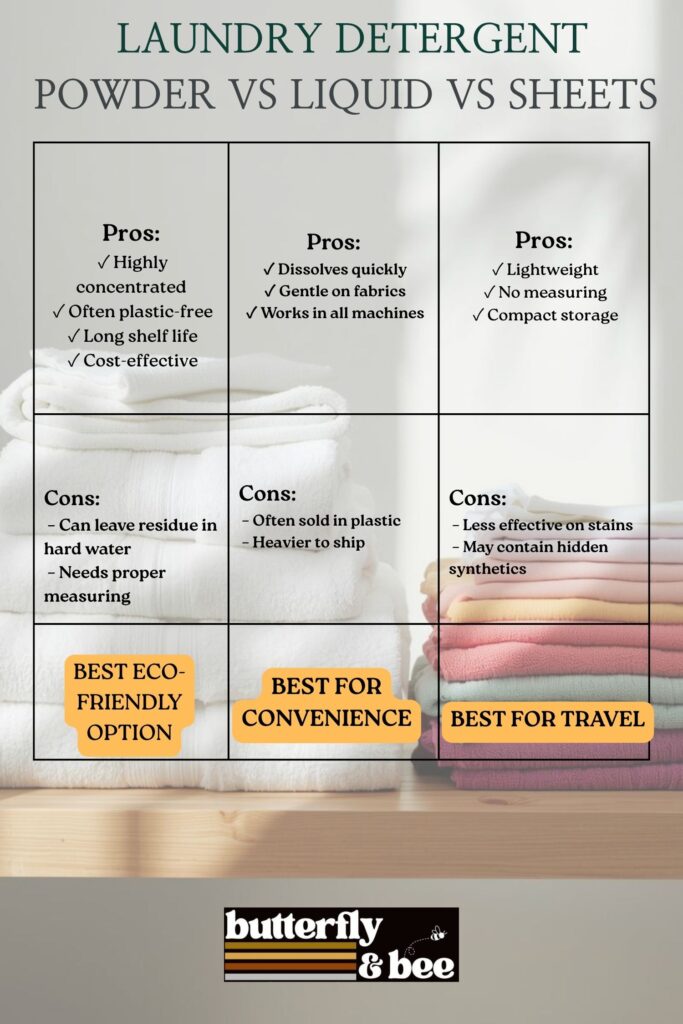
Powder vs Liquid vs Sheets: What’s Best?
This is one of the most searched questions right now.
Powder Detergent
Pros:
- More concentrated
- Plastic-free packaging options
- Great for stains
Cons:
- Can leave residue in hard water if not formulated well
Liquid Detergent
Pros:
- Easy to use
- Dissolves quickly
- Works well in cold water
Cons:
- Often packaged in plastic
- Heavier to ship
Laundry Sheets
Pros:
- Convenient
- Lightweight
- Travel-friendly
Cons:
- Often weaker cleaning performance
- Can contain hidden synthetic binders
👉 Trend Insight:
Powder and refill systems are making a big comeback due to sustainability and cost efficiency
Why Natural Detergent Can Cost More
This is something customers notice immediately.
Reasons:
- Higher-quality ingredients
- Smaller batch production
- Ethical sourcing
- Eco-friendly packaging
Unlike mass-produced detergents, natural brands often prioritize ingredient integrity over cost-cutting.
What to Look for in a Truly Non-Toxic Laundry Detergent
When choosing a product, keep it simple.
✔ Short ingredient list
✔ No synthetic fragrance
✔ No dyes or optical brighteners
✔ Transparent labeling
✔ Works with your water type
Less really is more when it comes to effective, safe cleaning.
The Rise of Refill Laundry Systems
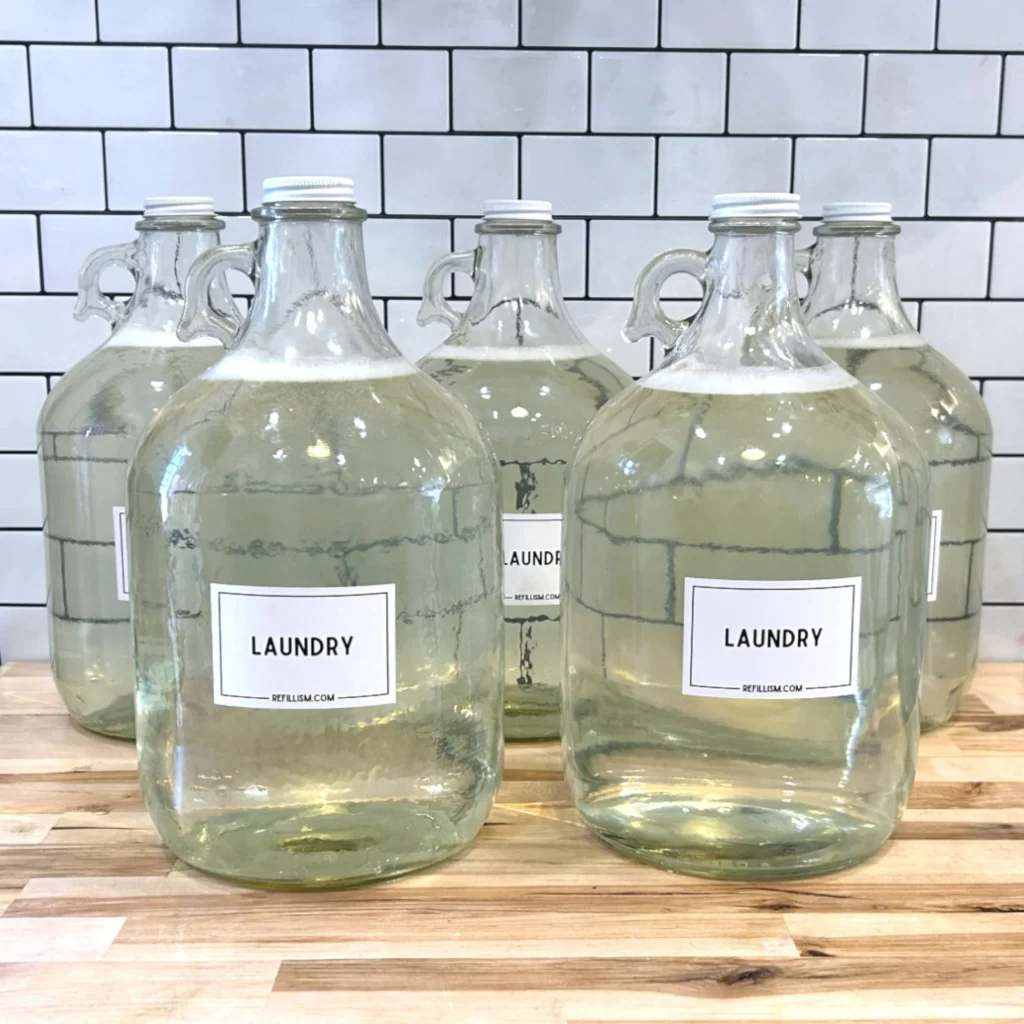
One of the biggest shifts happening right now is the move toward refill-based cleaning.
Instead of buying a new plastic bottle every time, refill systems allow you to:
- Reuse glass or durable containers
- Reduce plastic waste
- Buy in bulk
- Save money over time
This approach aligns with the growing zero-waste and low-tox living movement—and it’s only gaining momentum.
A Simple Low-Waste Laundry Routine
If you’re just starting out, keep it easy:
Step 1: Use a simple, effective detergent
Look for a soap-based or plant-based formula.
Step 2: Use less than you think
Most people overuse detergent, which causes buildup and poor results.
Step 3: Choose reusable packaging
Opt for refill systems or bulk options when possible.
Step 4: Adjust for your water
Hard water? Add a natural water softener like sodium citrate.
Final Thoughts
Switching to natural laundry detergent is one of the easiest ways to create a healthier, lower-tox home, but it does come with a learning curve.
The key is understanding that natural cleaning works differently. It’s not about overpowering scents or heavy suds, it’s about simple ingredients doing their job effectively.
Once you find the right formula and routine, the results speak for themselves:
- Cleaner clothes
- Fewer skin irritations
- Less environmental impact
- A more intentional home
And that’s what natural living is really about.