
Microplastics have become one of the fastest-growing environmental and health concerns of our time. Scientists have found these tiny plastic particles in oceans, drinking water, food, indoor air, and even inside the human body. While plastic pollution is often associated with beaches and waterways, many people are surprised to learn that a significant amount of microplastics in our homes is the first place we are exposed.
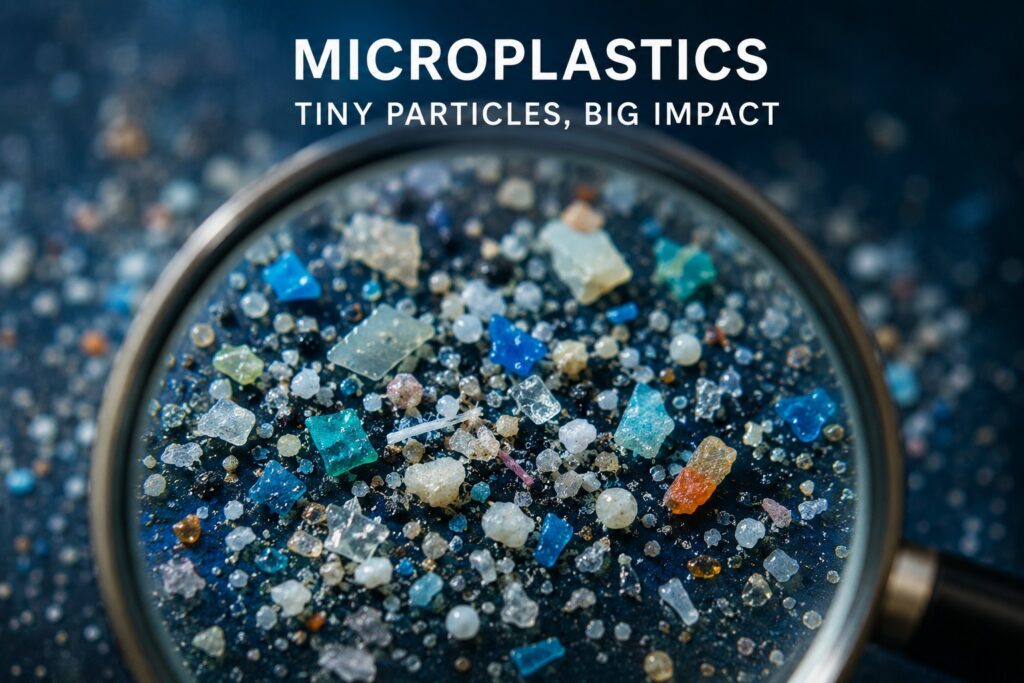
What Are Microplastics?
Microplastics are extremely small pieces of plastic measuring less than 5 millimeters in size. Some are intentionally manufactured at microscopic sizes, while others form when larger plastic products break down over time.
These particles originate from everyday items including:
- Synthetic clothing
- Carpets and rugs
- Furniture and upholstery
- Food packaging
- Plastic containers
- Cleaning products
- Laundry detergents and pods
- Personal care products
- Paints and coatings
Because plastic does not fully biodegrade, it fragments into smaller and smaller pieces, eventually becoming microscopic particles that can enter the air we breathe and the food and water we consume.
Microplastics in Our Homes: Where Do Microplastics Come From Inside the Home?
1. Laundry and Synthetic Fabrics
One of the largest sources of microplastics is synthetic clothing made from polyester, nylon, acrylic, and spandex. Every wash cycle releases tiny fibers into wastewater. Researchers estimate that laundry contributes more than 35% of microplastic pollution worldwide. A single load may release hundreds of thousands of microscopic fibers.
Common offenders include:
- Fleece jackets
- Athletic wear
- Polyester blankets
- Synthetic carpets
- Microfiber cloths
2. Indoor Dust
Household dust contains a surprising amount of plastic particles. Scientists have discovered that indoor air and dust can contain significant concentrations of airborne microplastics generated from carpets, curtains, paint, furniture, and everyday wear and tear.
Because most people spend approximately 90% of their time indoors, our homes may represent one of our greatest sources of exposure.
3. Plastic Food Packaging
Single-use packaging, takeout containers, plastic cutting boards, and food storage containers can all shed microscopic particles. Heating food in plastic containers may increase the migration of plastic chemicals and particles into food.
4. Cleaning Products
Many conventional household products rely heavily on plastic packaging. Disposable wipes, detergent pods, synthetic scrubbers, melamine sponges, and some cleaning formulations contribute to plastic pollution.
5. Bottled Water
Studies have detected microplastic particles in bottled water, leading many researchers to recommend filtered tap water when possible.
How Do Microplastics Affect Human Health?
Scientists are still working to understand the full impact of microplastics on human health. However, growing evidence suggests these particles may contribute to:
Inflammation
Laboratory studies show that microplastics can trigger inflammatory responses and oxidative stress.
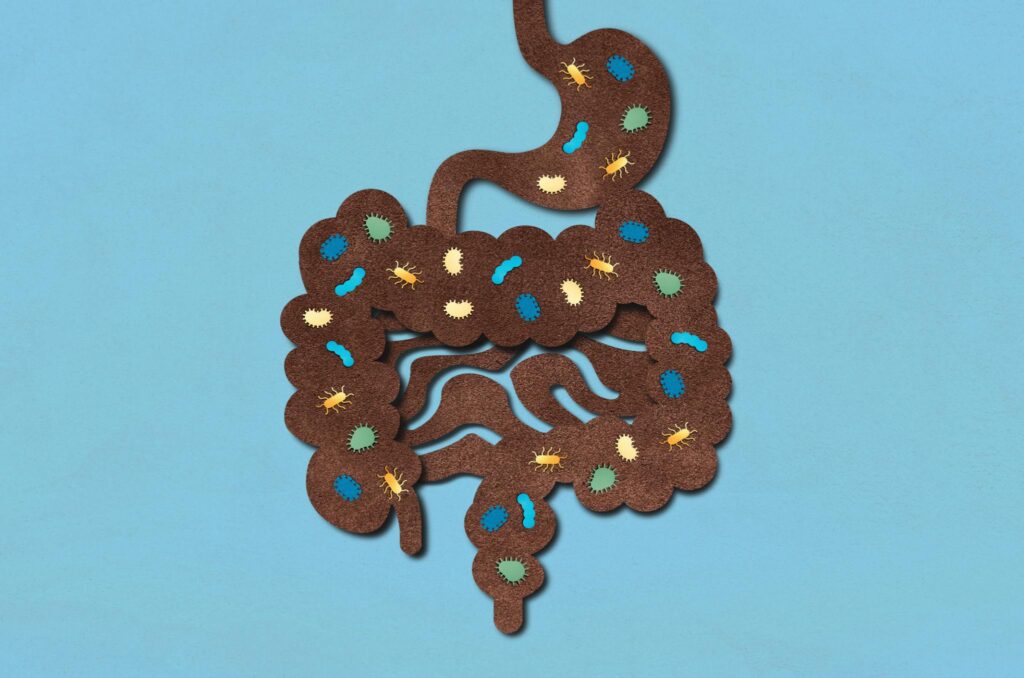
Gut Health Disruption
Research suggests microplastics may alter the gut microbiome and contribute to digestive disturbances.
Hormone and Chemical Exposure
Plastic particles may carry chemicals such as BPA, phthalates, flame retardants, and other contaminants that are known endocrine disruptors.
Cardiovascular and Reproductive Concerns
Emerging studies have found associations between microplastic exposure and cardiovascular disease, fertility problems, and other chronic health concerns, though more research is needed.
Unknown Long-Term Effects
According to the World Health Organization and the U.S. Environmental Protection Agency, much remains unknown about the long-term health consequences of chronic exposure. Scientists continue to investigate how these particles move through and accumulate in the body.
What Can We Do to Reduce Exposure and Reduce Microplastics in our Homes
While eliminating microplastics entirely is impossible, small changes can significantly reduce exposure.
Choose Natural Fibers
Whenever possible, select:
- Cotton
- Linen
- Hemp
- Wool
Natural fibers shed biodegradable particles rather than persistent plastics.
Wash Clothes Less Frequently
- Wash full loads.
- Use cold water.
- Choose gentle cycles.
- Air dry when possible.
These steps help reduce fiber shedding.
Avoid Heating Food in Plastic
Use:
- Glass containers
- Stainless steel
- Ceramic dishes
Especially for hot foods and microwave use.
Reduce Single-Use Plastics
Choose reusable:
- Glass bottles
- Stainless steel water bottles
- Beeswax wraps
- Cloth produce bags
- Refillable cleaning products
Vacuum and Dust Regularly
Studies suggest regular cleaning can help reduce airborne microplastic accumulation in the home.
Choose Simpler Cleaning Products
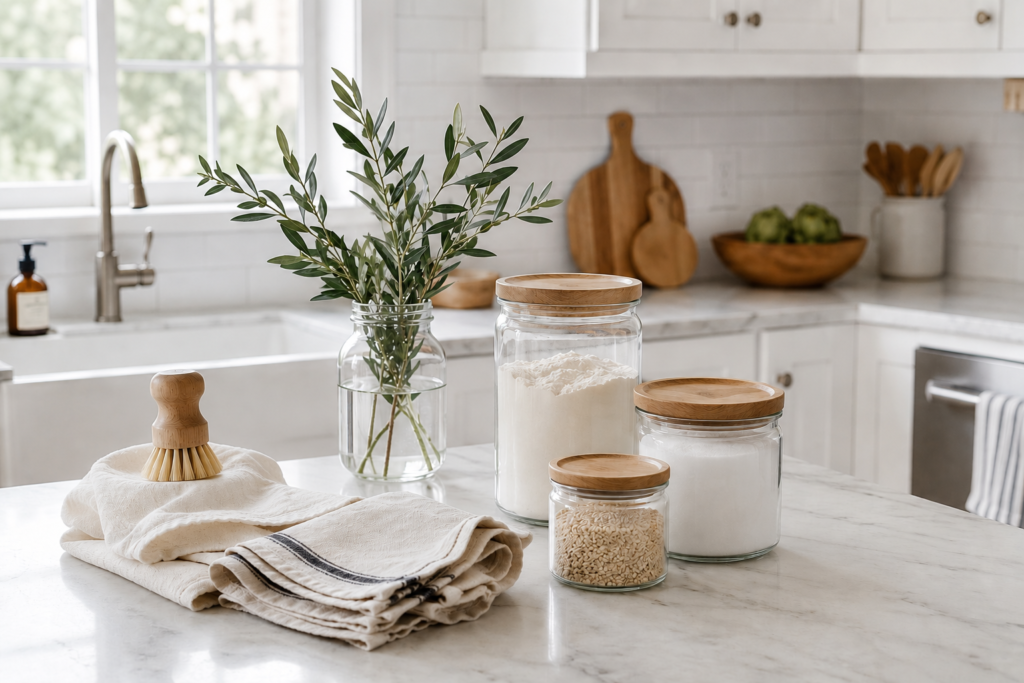
Products packaged in glass, aluminum, or refill systems help reduce plastic waste and minimize exposure from disposable packaging.
The Bottom Line
Microplastics are now part of modern life, but awareness is the first step toward reducing exposure. By choosing natural materials, reducing synthetic textiles, minimizing plastic packaging, and embracing refillable and low-waste alternatives, families can take meaningful steps toward creating healthier homes.
Although scientists are still uncovering the long-term health implications, one thing is clear: reducing our dependence on plastic benefits not only the planet, but also the air we breathe, the food we eat, and the homes we live in.
Research and Further Reading on Microplastics in our Homes
- World Health Organization (WHO)
https://www.who.int/publications/i/item/9789240054608 - U.S. Environmental Protection Agency (EPA)
https://www.epa.gov/water-research/microplastics-research - Stanford Medicine: Microplastics and Human Health
https://med.stanford.edu/news/insights/2025/01/microplastics-in-body-polluted-tiny-plastic-fragments.html - Harvard Medical School: Microplastics Everywhere
https://magazine.hms.harvard.edu/articles/microplastics-everywhere - National Institutes of Health (NIH)
https://pmc.ncbi.nlm.nih.gov/articles/PMC10151227/ - PLOS One: Indoor Air Microplastics Study
https://journals.plos.org/plosone/article?id=10.1371/journal.pone.0328011 - Review of Indoor Air Exposure to Microplastics
https://pmc.ncbi.nlm.nih.gov/articles/PMC11142917/