Introduction
If you’ve spent any time shopping for “eco-friendly” or “natural” products lately, you’ve probably come across the term greenwashing. It’s everywhere and for good reason. So, what is green washing?
As more consumers try to make better choices for their health and the environment, brands are racing to meet that demand. But not all claims are created equal. Behind labels like “green,” “clean,” and “natural,” there can be a wide range of meanings some genuine, and some… not so much.
The result? Confusion. Skepticism. And a growing trust gap.
Recent insights from Sustainable Jungle highlight just how serious this has become. Concern about greenwashing has surged from just 8% in 2022 to 43% in 2025, more than a fivefold increase. It’s now nearly on par with cost as a barrier to sustainable shopping.
And it doesn’t stop there:
- NielsenIQ reports that 77% of global consumers would stop buying from a brand found guilty of greenwashing
- Deloitte found that 57% of consumers don’t believe most sustainability claims brands make
So what exactly is greenwashing and how can you tell what’s real?
What Is Greenwashing?
Greenwashing is when a company misleads consumers into believing its products or practices are more environmentally friendly than they actually are.
This doesn’t always mean outright lies. In many cases, it’s more subtle:
- Vague language
- Misleading imagery
- Selective transparency
- Highlighting one positive while ignoring bigger issues
Why Greenwashing Is on the Rise
There’s a simple reason:
👉 Sustainability sells
Consumers are actively searching for:
- Non-toxic cleaning products
- Plastic-free alternatives
- Natural ingredients
- Ethical brands
Brands know this and some take shortcuts.
Instead of reformulating products or changing packaging systems, they:
- Rebrand
- Use buzzwords
- Adjust marketing
It’s faster, cheaper, and easier than real change.
Common Greenwashing Tactics to Watch For

Understanding the patterns is the first step to avoiding them.
1. Vague Terms Like “Natural” or “Eco-Friendly”
These words sound reassuring but they’re largely unregulated.
A product labeled “natural” might still contain synthetic or petroleum-based ingredients.
👉 If there’s no ingredient transparency, the claim means very little.
2. Green Packaging That Doesn’t Match the Product
Think:
- Earth tones
- Leaves and botanical imagery
- Kraft paper labels
While the formula inside may still be conventional.
3. “Free From” Claims That Distract
Example:
- “Free from parabens”
But still contains:
- Synthetic fragrance
- Harsh surfactants
- Other questionable ingredients
👉 It highlights what’s missing not what’s actually inside.
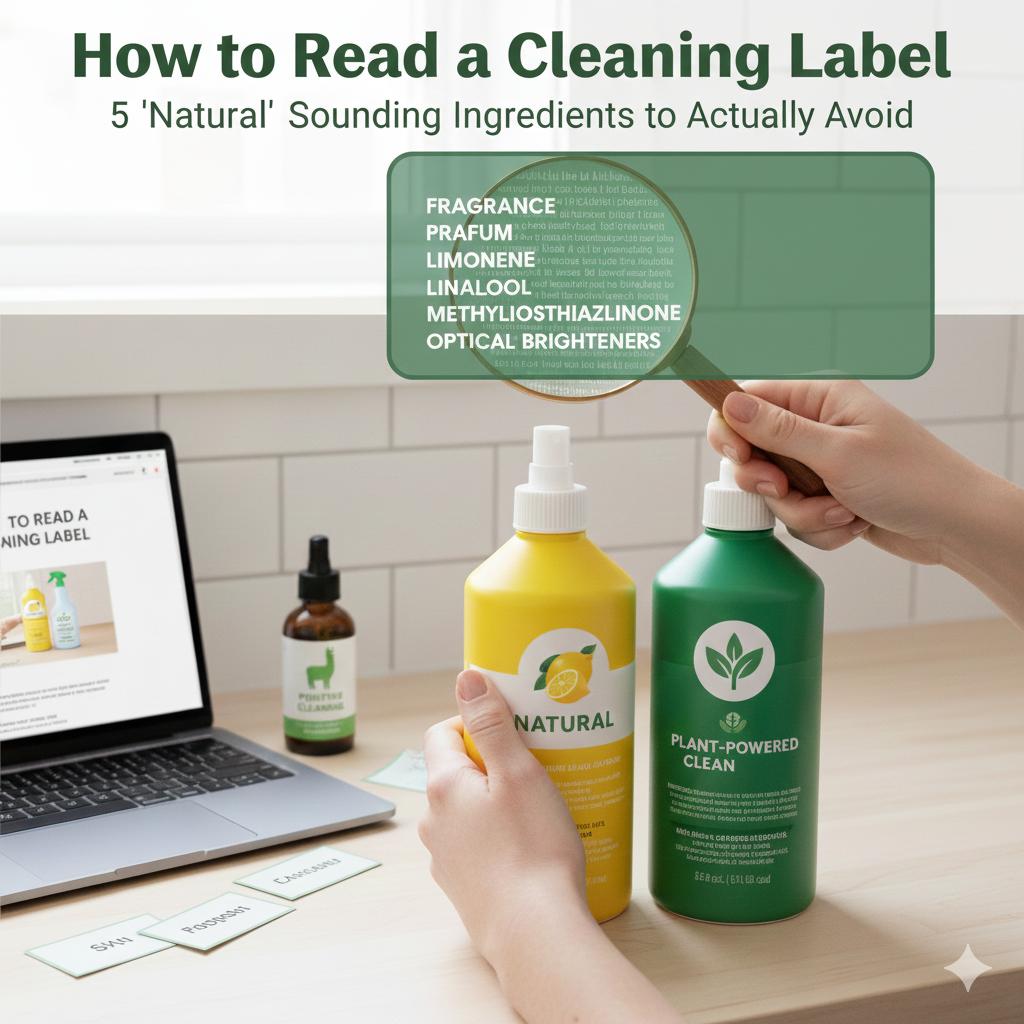
4. Hidden Fragrance Ingredients
“Fragrance” can represent dozens, or even hundreds of undisclosed chemicals.
Even products marketed as “clean” sometimes rely heavily on synthetic scent blends.
5. One Sustainable Feature, Everything Else Ignored
For example:
- “Recyclable bottle”
But:
- Made from virgin plastic
- Filled with a conventional formula
👉 This is called “single-attribute greenwashing.”
Why Consumers Are Losing Trust
The numbers tell the story:
- Greenwashing concern jumped from 8% to 43% in just three years
- 77% would stop buying from brands caught greenwashing
- Over half of consumers don’t trust sustainability claims
This isn’t just a trend, it’s a trust crisis.
Consumers are becoming more informed, more skeptical, and more selective.
So How Do You Know What to Trust?
The good news? Truly transparent brands exist you just need to know what to look for.
1. Full Ingredient Transparency
Look for brands that clearly list:
- All ingredients
- Recognizable names
- No vague “fragrance” or proprietary blends
👉 Simpler formulas are often more trustworthy.
2. Minimal, Purposeful Ingredients
A long ingredient list doesn’t mean better performance.
In fact, many effective products rely on:
- A few well-understood ingredients
- Proven cleaning agents
- Simple formulations
3. Honest Marketing (Not Overpromising)
Be cautious of claims like:
- “100% non-toxic”
- “chemical-free”
Everything is made of chemicals including water.
👉 Brands that use clear, realistic language tend to be more trustworthy.
4. Reusable or Thoughtful Packaging
Sustainability isn’t just about ingredients, it’s also about waste.
Look for:
- Refillable systems
- Glass or aluminum packaging
- Reduced plastic use
5. Third-Party Certifications
Certifications can help, but only when they’re meaningful.
Some examples:
- Leaping Bunny (cruelty-free)
- EWG Verified (ingredient safety)
These add an extra layer of accountability.
The Role of Certifications (And Their Limits)
Certifications are helpful, but they’re not everything.
They can:
✔ Provide standards
✔ Build trust
✔ Validate claims
But they can also:
- Be expensive for small brands
- Vary in strictness
- Take time to obtain
👉 A brand without certification isn’t necessarily untrustworthy—but it should still offer transparency.
How Brands Can Build Real Trust
For brands, the shift is clear:
👉 Consumers don’t want perfection, they want honesty.
1. Be Transparent About Ingredients
List them clearly. Explain them simply.
2. Keep Formulas SimpleFewer ingredients = easier to understand and trust.
3. Avoid Buzzwords Without Meaning
Skip vague claims and focus on facts.
4. Show Your Process
Where ingredients come from
How products are made
Why choices are made
5. Focus on Long-Term Impact
Refill and Bulk systems
Reusable packaging
Reduced waste
A Better Way Forward
The rise of greenwashing is frustrating, but it’s also a sign of progress.
It means:
- More people care
- More attention is on sustainability
- Higher standards are emerging
And ultimately, that leads to better products and more accountability.
Final Thoughts
Greenwashing has made it harder to know what’s real, but it’s also made consumers smarter.
Today’s shoppers are asking better questions, reading labels more closely, and looking beyond marketing claims.
The brands that will succeed aren’t the ones with the loudest messaging, they’re the ones with the clearest, most honest approach.
Because in the end, trust isn’t built through labels or buzzwords.
It’s built through transparency, consistency, and products that truly do what they promise.